Holiday parks that want to survive must invest not only in accommodations, but above all in operational strength, guest experience, and management. In the third part of his series on the 'holiday park headache file,' leisure expert Hans van Leeuwen outlines five routes for parks that want to remain future-proof.
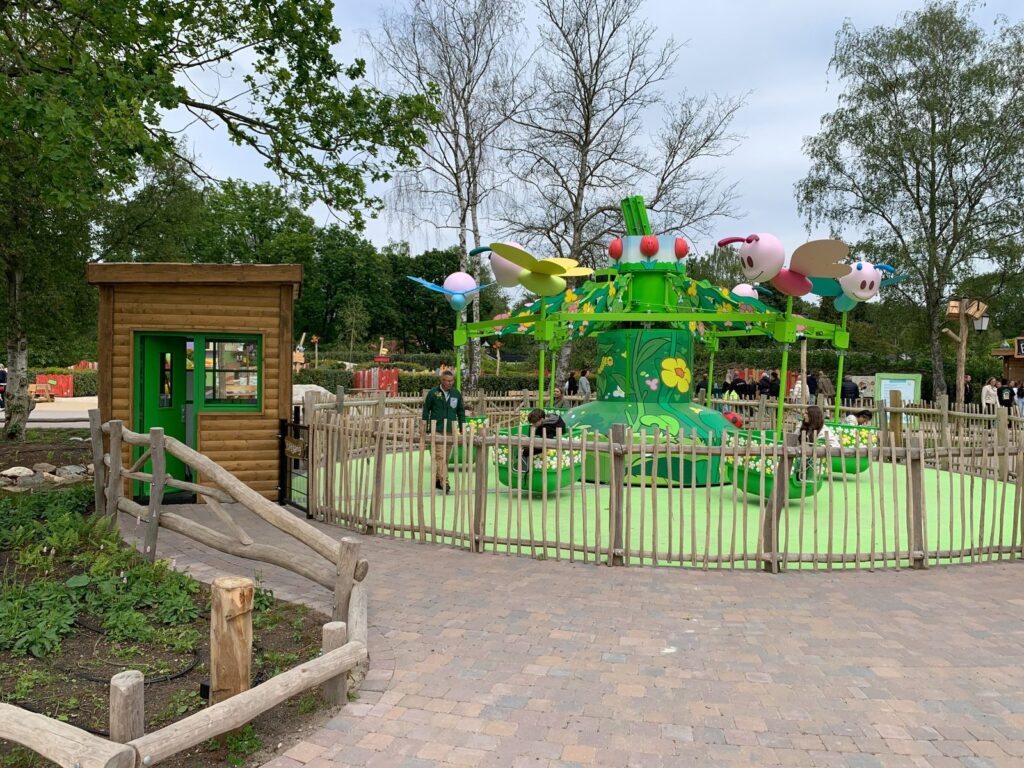
From cottage in the countryside to value per night
Pressure on traditional holiday parks is increasing. According to Hans van Leeuwen, leisure expert and recreation consultant at SLIMMadvies, the business model of many parks has become vulnerable due to tax pressure, fragmented ownership, permanent residency, and outdated park concepts.
His core message: a holiday park can no longer survive with just “accommodation in the countryside.” Guests are becoming increasingly critical of the value per night. Comfort, experience, service, year-round appeal, and additional spending options are becoming more important.
This shifts the discussion from scale to quality. The focus is no longer on more beds, but on higher revenue per guest and a stronger tourism product.
Permanent residency undermines the tourism product
Van Leeuwen warns that the number of weak holiday parks could continue to grow if the root of the problem is not addressed. According to him, there is too often a superficial spruce-up, while sell-offs and fragmented ownership continue.
If permanent living in holiday parks becomes the new normal, he argues that not only recreational capacity but also a regional economic engine will disappear. Tourist spending, jobs, and vibrancy will then come under pressure.
For municipalities and regions, this means that holiday parks are not only a real estate issue, but also part of recreation policy, the economy, housing, and area development.
Five routes to reinvention
In his analysis, Van Leeuwen identifies five potential solutions. The first is more central control over fragmented ownership, for example through models such as Hoods, whereby quality, management, investments, and recreational use are better organized.
The second route is new financing. Many private owners are unable or unwilling to continue investing in maintenance and renewal. According to Van Leeuwen, professional capital, fund formation, and collective models can help restore investment capacity.
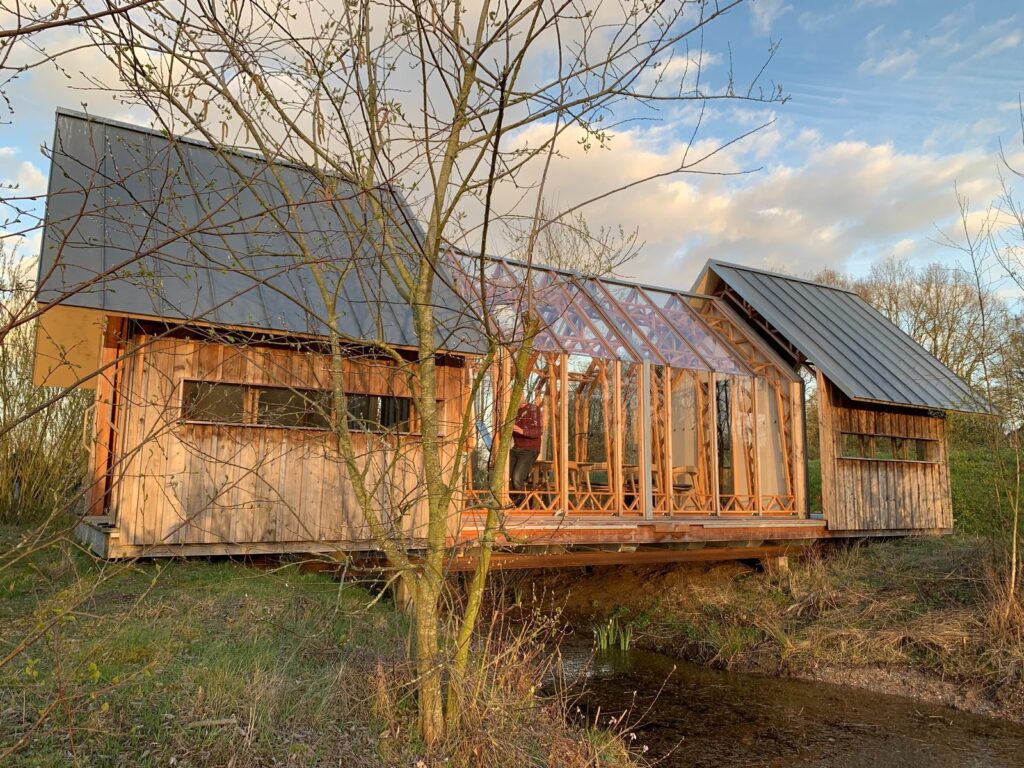
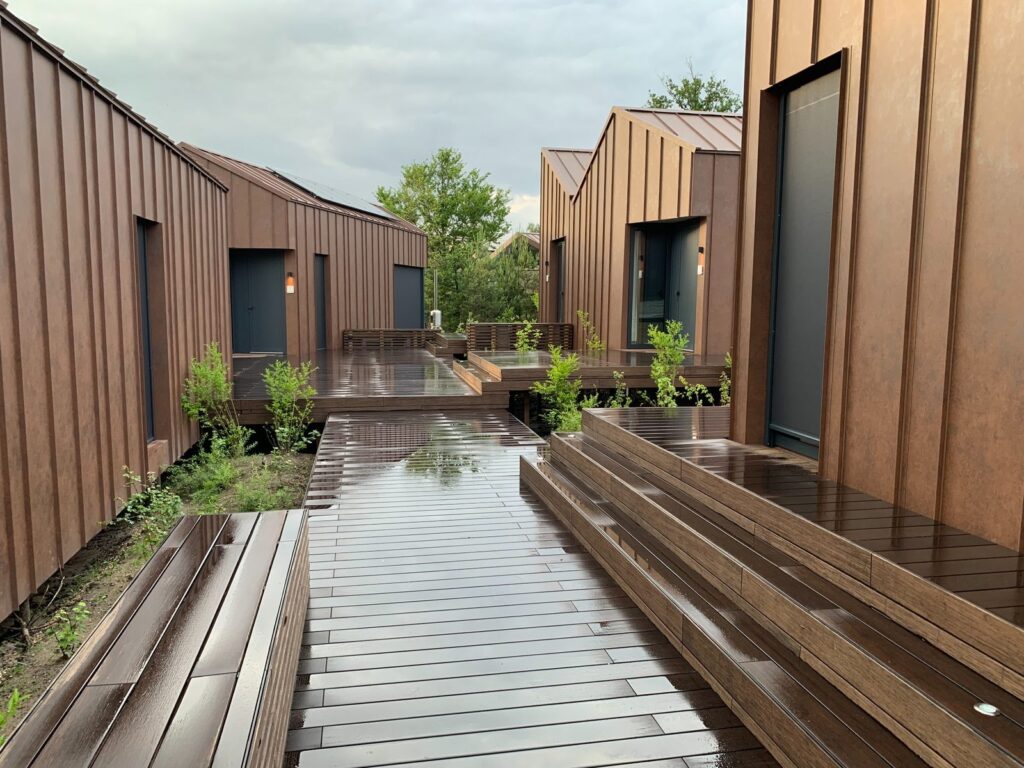
The third route lies with micro and mini resorts. Smaller concepts offering luxury, wellness, privacy, design, and frictionless service can generate a higher average revenue per night and remain attractive year-round.
Hybrid parks and holiday amusement parks
A fourth development direction is the hybrid holiday park, where accommodation is combined with day recreation, hospitality, indoor activities, events, and Family Entertainment Centers. This creates an additional revenue stream and also appeals to the regional market.
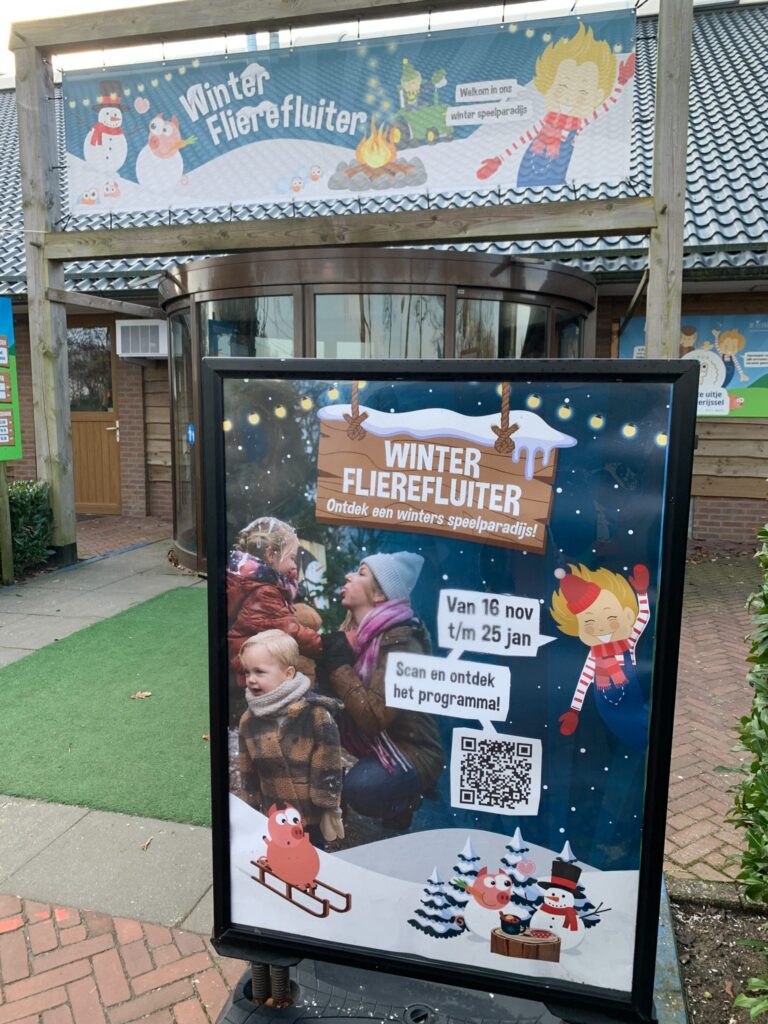
The fifth route is the holiday amusement park: a concept in which accommodation and attraction value coincide. Van Leeuwen cites, among others, De Tovertuin van Woezel & Pip, the transformation of the former Family Land Holiday Park in Huijbergen, and Bommelwereld as examples of this movement.
This development is not about extra cottages, but about theming, repeat visits, higher spending, and a broader target audience.
New concepts outside the chalet logic
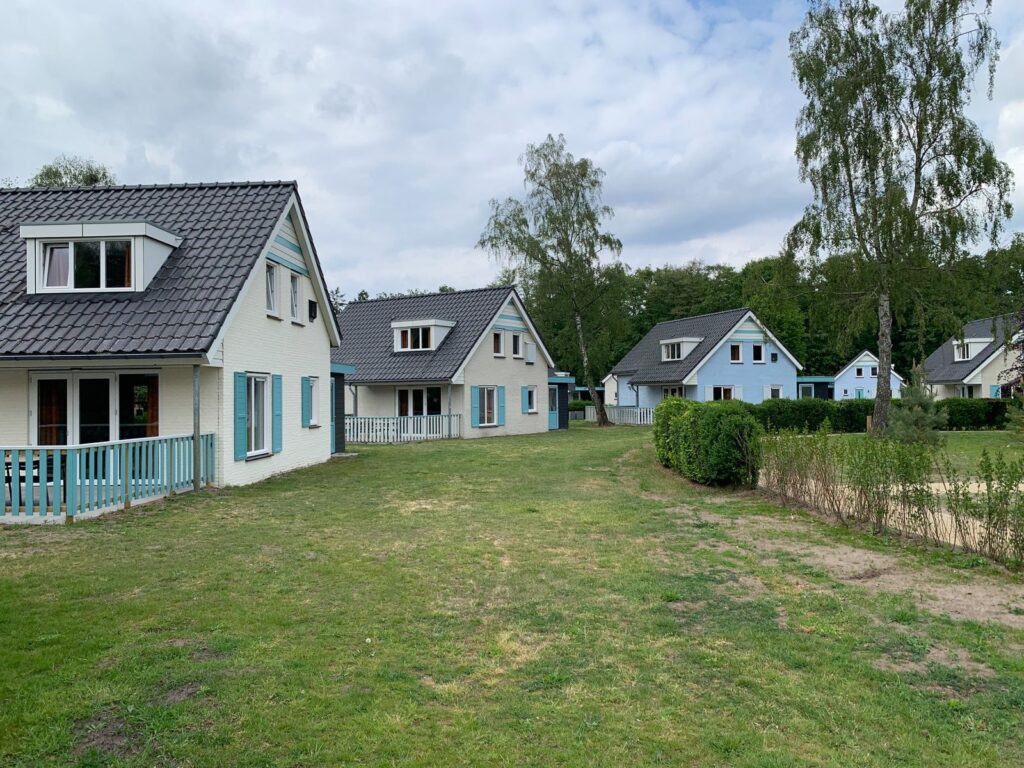
According to Van Leeuwen, the market is also moving towards new forms of accommodation outside the classic chalet or bungalow park. He points to examples such as LUX Senioren Resort in Bergeijk, Nala Retreats Resort near Warnsveld, and the transformation of Family Land into Woezel & Pip's Magic Garden.
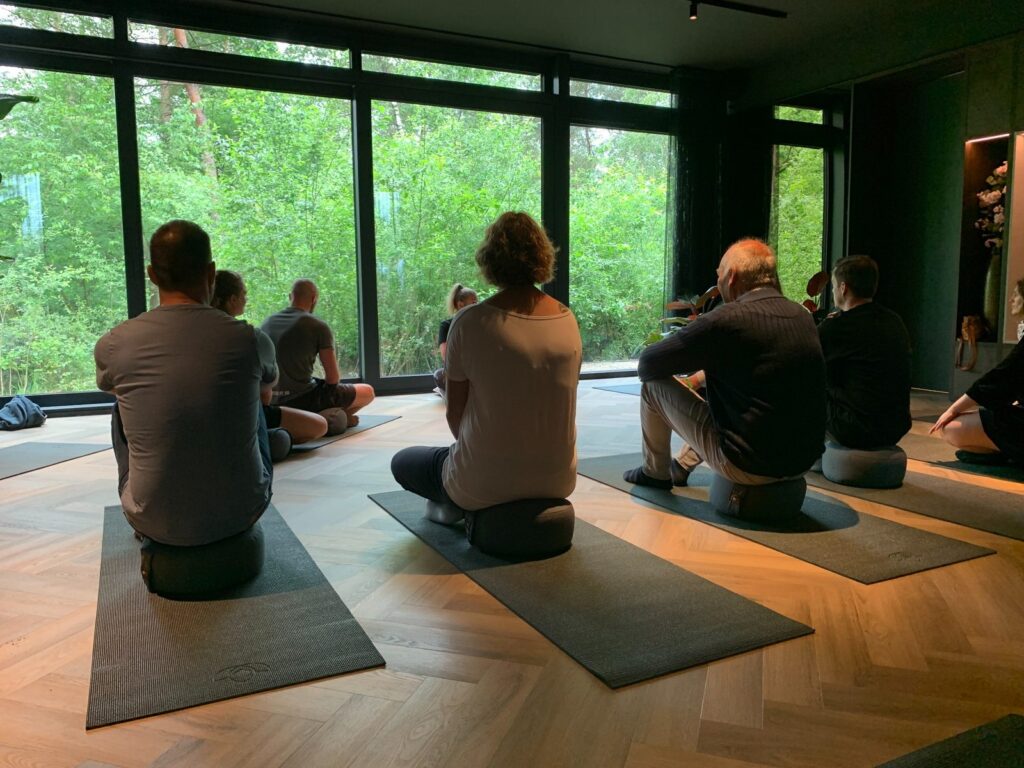
These concepts cater to demographics, wellbeing, comfort, service, longer stays, and year-round operation. As a result, the holiday park becomes less dependent solely on peak periods and traditional family vacations.
Making choices instead of adjusting
The analysis concludes with a clear call: holiday parks must choose. Will a park remain recreational, become a residential location, will a hybrid model emerge, or is controlled phasing out necessary?
According to Van Leeuwen, this calls for control over quality, distribution, spending, financing, and regional cooperation. A fresh coat of paint or limited renovation is not enough for this.
For recreation entrepreneurs, municipalities, and investors, the challenge lies in an integrated approach. The holiday park of the future requires a clear target group, professional operation, a distinctive experience, and an organizational structure that can support investments in the long term.
With thanks to (author of this article): Hans van Leeuwen of SLIMM advies