On June 23, Pleisureworld organized a trade day for holiday parks and day recreation at indoor amusement park Bommelwereld – part of Marveld Recreatie. A theme that recurred in various presentations was the power of combining: day and overnight recreation (Marveld); cultural history and entertainment (Luminisence); or hospitality and entertainment (O'Learys). We have listed a few lessons from this knowledge day.
See also our earlier article about the presentation by Coen Bertens: How to organize the success factors of indoor amusement park Bommelwereld.
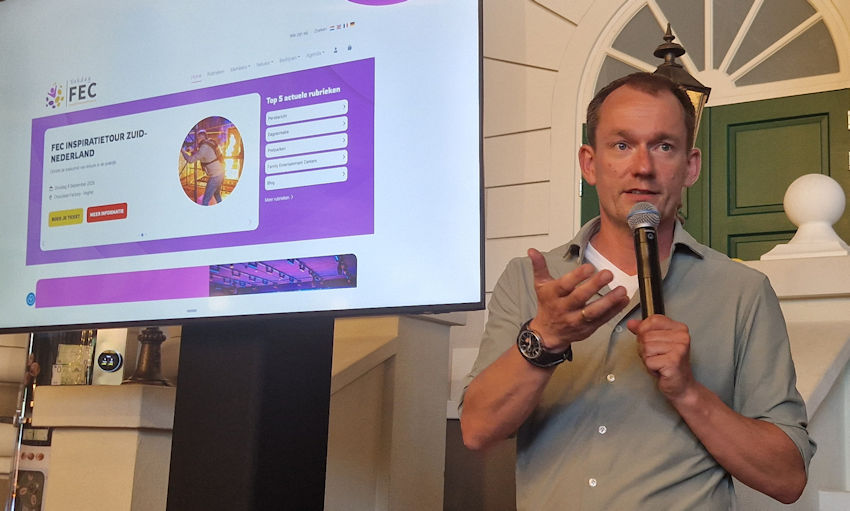
Richard Otten, the new owner of Pleisureworld , kicked off the meeting by stating that physical meetings are actually gaining more and more value in this age of digitalization. This was proven once again at this event, where entrepreneurs engaged in lively conversation with one another. This wisdom certainly applies to the entire recreation sector as well, which can count providing valuable moments with family and friends among its core qualities. The mix of day and overnight recreation was also deliberately created here so that entrepreneurs could gain knowledge of another market segment.
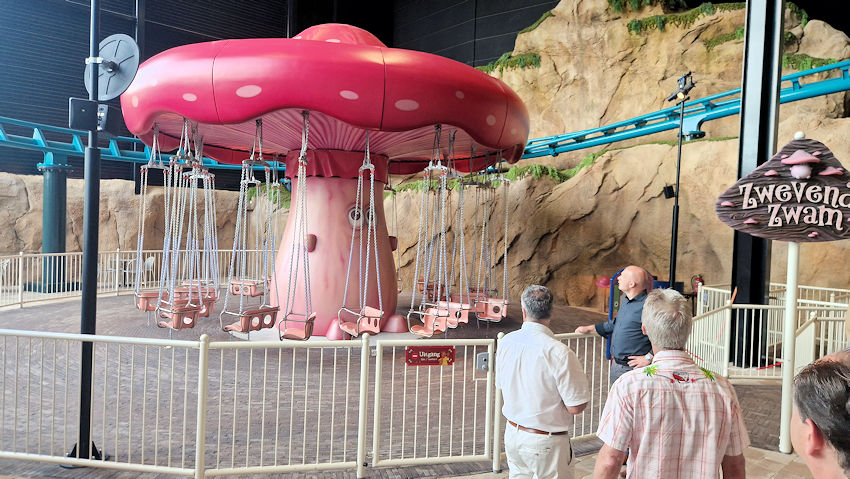
Mixing day and overnight recreation is an important development theme for many recreation companies. Edwin Bomers, entrepreneur of Marveld and particularly skilled in operating overnight recreation, examined the revenue models: “The business economic added value of the indoor amusement park Bommelwereld is primarily determined by the higher occupancy rate at the holiday park during the off-peak seasons. Direct revenue from ticketing and catering comes in second place only.”
In 2025, Carolien Nederlof of LeisureLink was one of the driving forces behind Luminisence ; a mix of live music performances (entertainment) centered around the historical story of Delft (storylines) in the Old Church of Delft (cultural history), where the experience was supported by projection technology (Immersive Experience). The marketing surrounding this unique event was largely based on creating a sense of scarcity . The first two-month series sold out quickly, creating support for the performances. Carolien advised the recreation sector to think more often in terms of 'scarcity,' for example by organizing events with limited duration and capacity.
Nederlof also learned a great deal about the effectiveness of marketing tools from the Luminisence event. For instance, it turned out that the media approach (PR) is a particularly effective and cost-efficient instrument for this type of event: “It was precisely the scarcity and the unique concept, combined with being embedded in the city, that created the important factor of 'news value,' allowing us to generate a lot of free publicity.”
See also: Crowd puller due to combination of live entertainment, projections and a historical story – Pretwerk
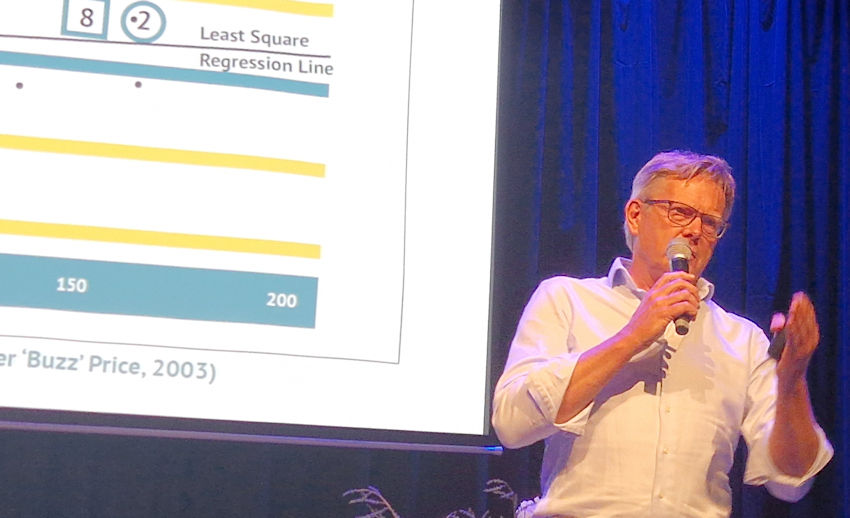
Pieter Cornelis, the sector's ' attraction professor ,' argued to the audience that success factors in day recreation are much more measurable and predictable than many entrepreneurs think. “Many entrepreneurs make investment decisions primarily based on gut feeling. By making many more factors measurable, you can make forecasts increasingly accurate. Take the influence of the weather, for example. If you know what a sunny day does to the number of visitors, you can filter that factor out.”
Harrison Price (a friend of Walt Disney) compared Capex-EBITDA/attendance (success factors surrounding attraction investments) without controlling for other factors and found ~2% explained variation; this led to the conclusion at the time: “nobody knows anything”. Cornelis states: “With multivariable models, explained variation rises to 65% and in some markets ~80%, thanks to control for price, marketing, weather, content, and context, among others.”
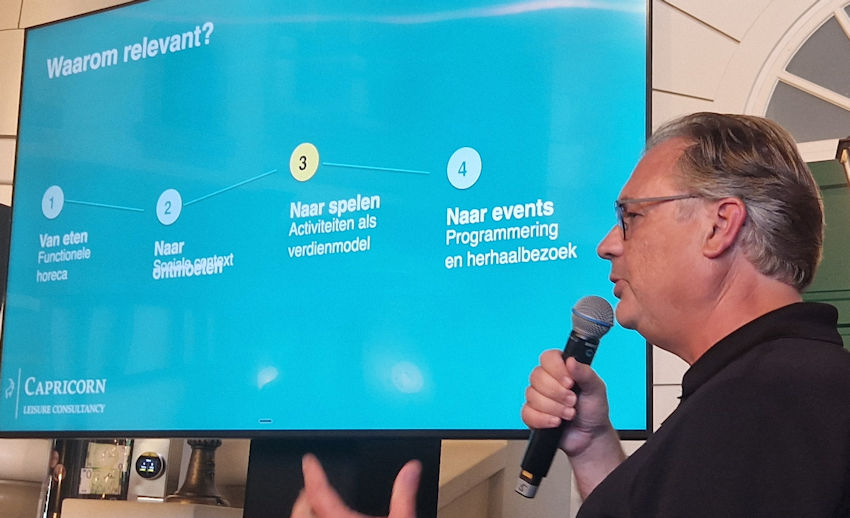
Hospitality is becoming an increasingly important factor for leisure businesses. That is why the presentation by Frans Schoon ( Capricorn Leisure Consultancy ) about Sportsbar O'Learys also contained valuable lessons for leisure companies. This restaurant chain, which in the Netherlands has a branch in the Mall of The Netherlands among others, can be described as 'eatertainment' , offering activities such as bowling, shuffleboard, and karaoke. The combination of food, drinks, and entertainment ensures a revenue boost. Events, such as watching World Cup matches, also make for peak days.
The commercial strength of the Hospitality-Leisure combination:
- Multiple reasons for visiting: It creates more reasons for a visit than just food or drink by offering a complete social context.
- Programmable revenue: Makes it possible to plan targeted activities for specific target groups during quieter periods (families, friends, business, team building, anniversaries, children's parties).
- Higher yield per square meter: The addition of a leisure component increases profitability.
- Less staff needed: In Leidschendam, for example, there are karaoke boxes. These take up little space, handle many people paying a fixed price, and require no further staff deployment after the initial service (bringing drinks).
- Scalability: The concept is flexible and can be implemented at various locations, in different sizes and variations.
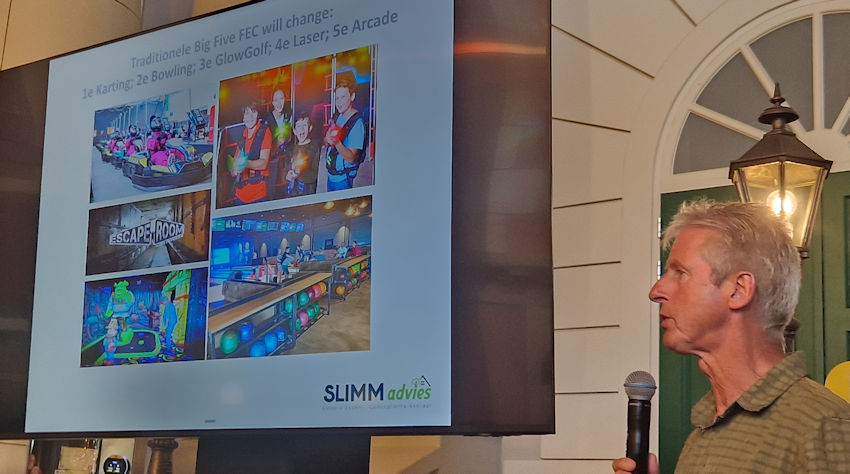
Hans van Leeuwen (trend watcher and leisure consultant at Slimm Advies ) also always manages to interpret various new developments in the recreation sector. This time, he focuses on the growing market of Family Entertainment Centers. Some of the developments he identifies within this area are:
- The Family Entertainment Centers are becoming larger in sizeWhere the pioneers in this sector were still content with 2,000 to 3000 m², we are already seeing various new centers with an area of well over 10.000 m². And the really large locations, with an area approaching 20.000 m² and more than 20 different activities, are on the way.
- The consumer is willing to to pay a premium for truly unique experiencesWhile Monkey Towns tend to hover around €10 for entry, you can expect a price tag of €30,00 for a unique activity. With multiple activities in a day, including food service, the bill can easily climb to the level of a major amusement park.
- Whereas the focus at day attractions in recent years has primarily been on generating more visitors, we are now seeing a shift towards 'a higher revenue per visitorpartly supported by a longer stay. The right combination of food, drink, and entertainment ensures this optimization.
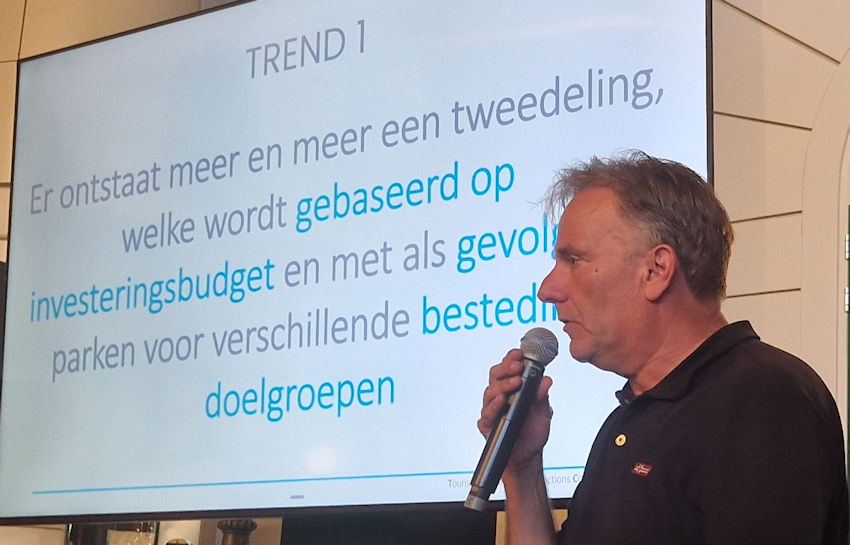
Bart Dohmen ( TDAC ) also observes that the focus at larger amusement parks is shifting from 'number of visitors' to revenue per guest. Strategies to increase 'per capita' spending:
- Luxury accommodations: High-end hotels and suites (e.g. Europa-Park) attract affluent guests; high occupancy rates confirm the success.
- Reverse strategy: Holiday parks are building an amusement park on the side to increase bungalow prices.
- Exclusive rentals: Cabanas in water parks at high prices (€450 per half day) sell out despite limited extras; simpler variants (e.g. garden houses in Ireland) also work.
- VIP tours: Exclusive VIP experiences at Universal and Toverland, among others.
- Merchandise: Expensive items like Harry Potter wands ($60) sell better by building a show and experience around them.
- Business-to-Business (B2B): Unique events such as dining at an attraction (e.g., Walibi Belgium) increase per capita revenue.
Other trends that Dohmen identifies for the attractions industry lie in saving on staffing; more and more work is being automated. While attention to 'experience' and 'hospitality' are not new trends, they are receiving increasing attention.
With thanks to (organizer of this knowledge day): Pleisureworld regularly organizes interesting B2B meetings, primarily aimed at Holiday Parks and Family Entertainment Centers.
More information: www.pleisureworld.nl