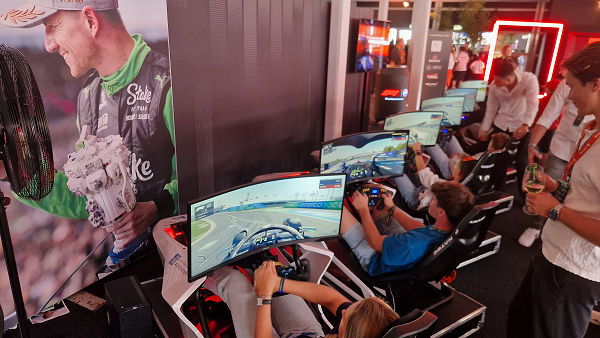
MSC Cruises was one of the sponsors of the Dutch Grand Prix in Zandvoort last month. During a meeting at the VIP Paddock Club, it became clear that there are many similarities between the cruise experience and a Grand Prix sporting event. We spoke with MSC about VIP treatment, crowd control, sustainability ambitions, and the impact on the local community.
VIP Experience
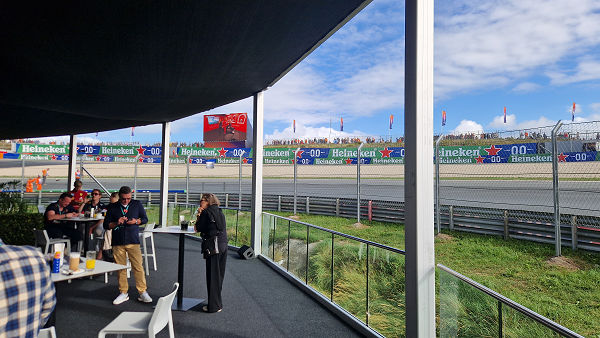
The VIP zone in Zandvoort is located in the Paddock Club. VIP zones are a key component of the program, offering tangible added value to sponsors and guests, among others. In Zandvoort, the VIP zone is located in the Paddock Club, which is situated within the circuit. You can hardly get any closer to the race. A champagne reception (naturally) and the catering are top-notch. As a bonus, a tour of the Alpine pit lane garage has been added. In short, a day you'll never forget.
See also: https://dutchgp.com/hospitality/lounges/paddock-club/
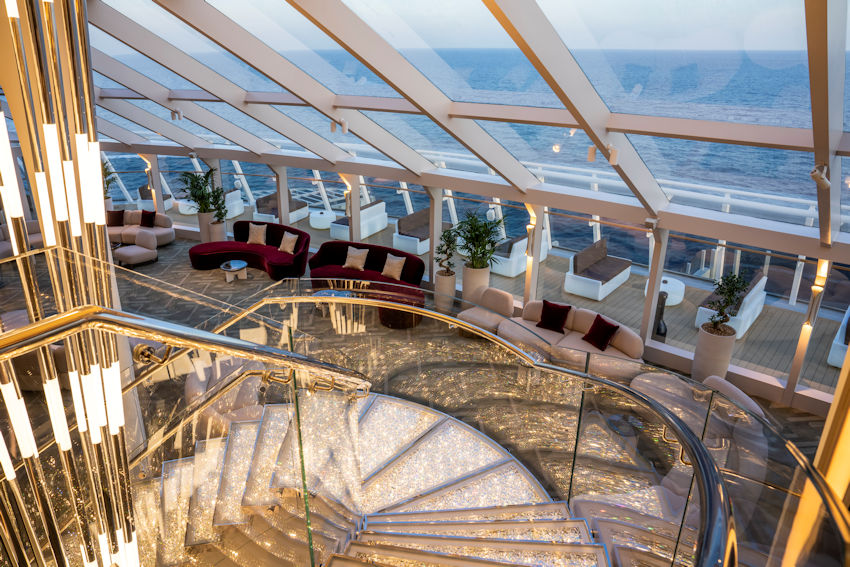
Around 6000 guests sail on MSC Cruises' largest ships. The MSC Yacht Club targets the luxury segment . The VIP zone is designed as a ship within a ship, where the experience is intended to be distinct from the rest of the vessel. Yacht Club guests can easily make use of all the ship's facilities, but the aim is to keep the zone exclusive so that special guests can enjoy their privileges undisturbed. To this end, an app is used, among other things, to manage access to the zone.
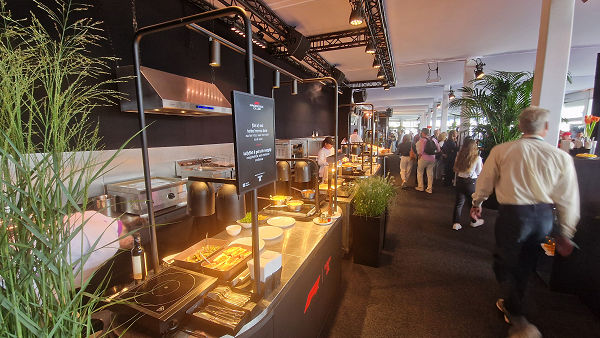
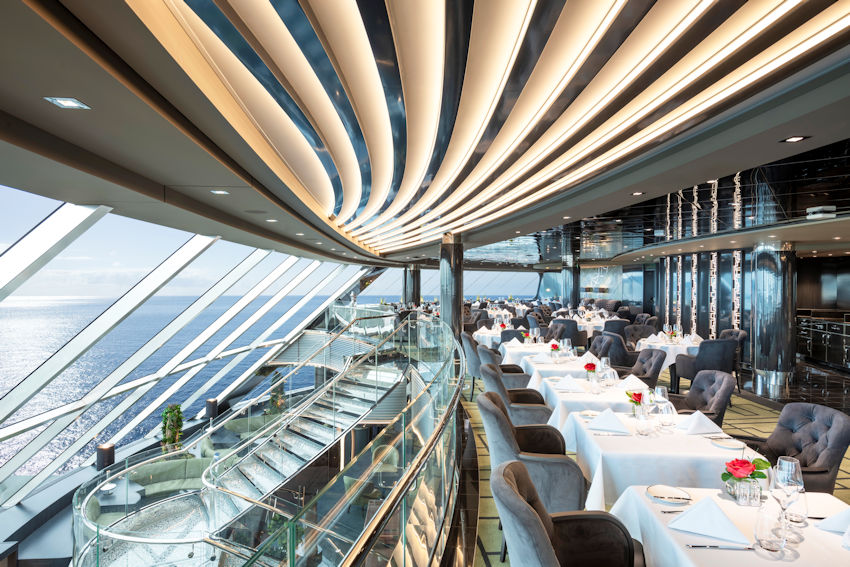
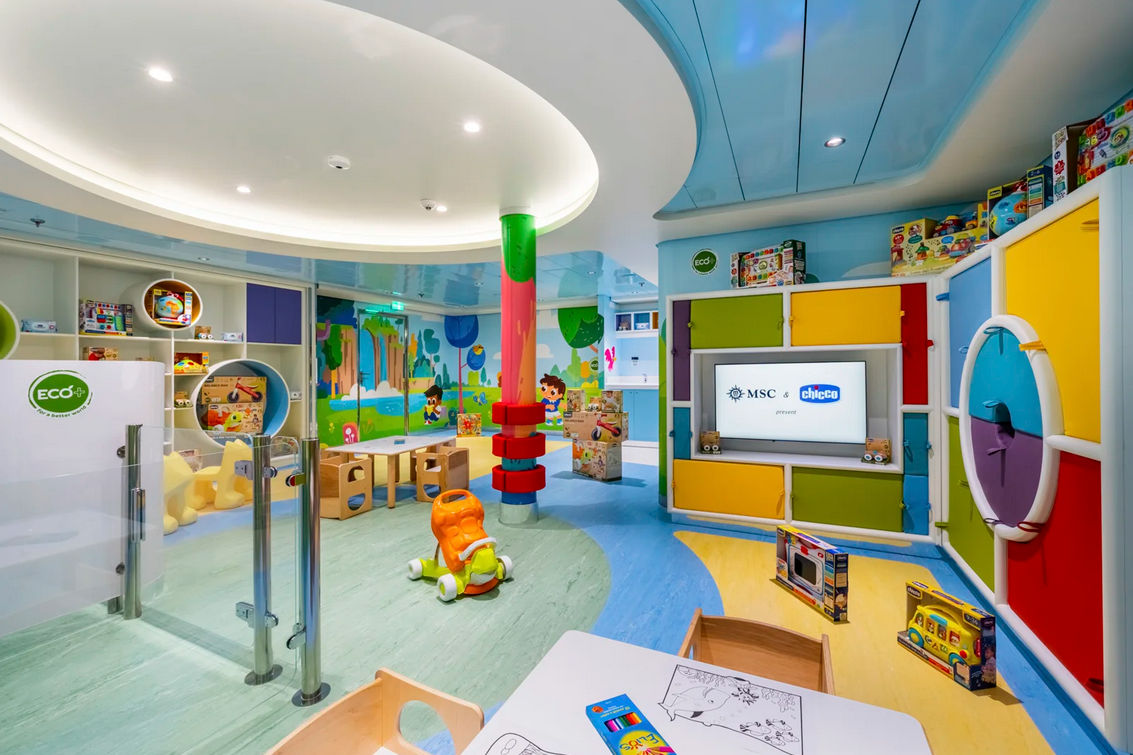
Furthermore, guests in the MSC Yacht Club receive exclusive perks such as a more luxurious drinks package, priority arrival and departure, access to the Aurea Spa thermal baths, and exclusive excursions to the destinations visited. The organizers are challenged to find new services to make the VIP experience special and exclusive.
Impact on the environment
During the Zandvoort Grand Prix, the seaside resort of Zandvoort (population 17.374 as of January 1, 2025) is completely dedicated to the sporting event. The circuit alone welcomed 305.000 visitors over the four days. Various streets and access roads were used for the event's logistics, and a comprehensive program was organized throughout the city to entertain residents and visitors. Despite the large crowds, there is considerable support among the locals, some of whom also enjoy or benefit from the event and its supporting programs.
When a (large) cruise ship arrives in a port and passengers want to explore the surrounding area, it impacts the destination. Hospitality and retail businesses will undoubtedly welcome the extra business. However, there's also increasing resistance to the increased crowds (overtourism) that visitors bring with them. How does MSC respond to this?
We are well aware of the impact we have on the locations we visit. Regular consultations take place between the cruise line and local authorities and businesses in the destinations we visit. What we do ourselves, especially in vulnerable locations, is regulate the flow of visitors. We ensure that not everyone disembarks at the same time by carefully planning excursions, for example. Around various cruise terminals (including Miami, Barcelona, and Durban), we invest in facilities that improve the tourism infrastructure of the entire city. MSC also invests in various locations in areas such as shore power, waste management, and logistics around the cruise terminals.
MSC also points to the "Respect the City" project in Dubrovnik as an example of collaboration to effectively manage cruise tourism in a vulnerable location. This program was launched in 2019 through collaboration between the city council, the Port of Dubrovnik, and cruise lines such as MSC and CLIA. It served as a pilot program in Europe to manage tourism effectively and has inspired several other tourist destinations to adopt this approach. The program focuses on spreading visitor flows, regulating access, and reducing congestion. It demonstrates how constructive collaboration between city councils, tourism stakeholders, and the cruise industry can yield positive results.
See also: https://tzdubrovnik.hr/lang/en/get/kultura_i_povijest/75284/respect_the_city.html
Crowd Control
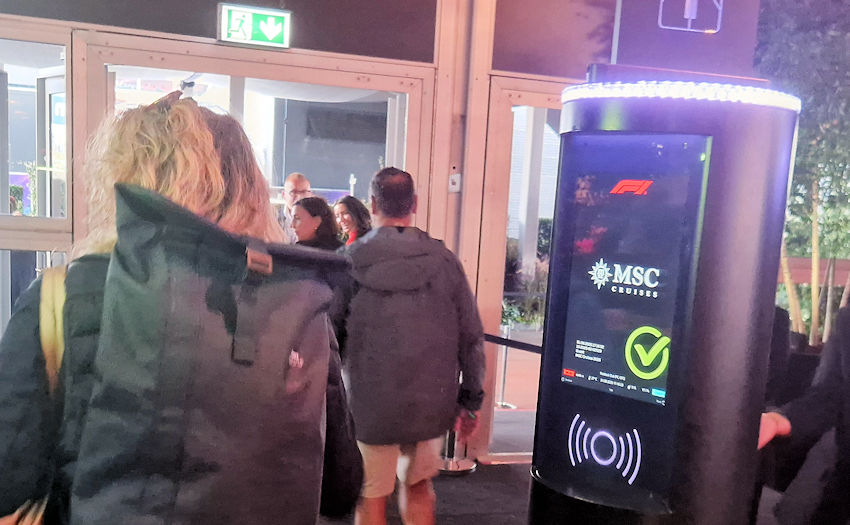
This is a specialized field. The highlight is, of course, race day itself. This primarily creates a huge surge in visitor numbers before and after the race. An additional challenge is directing all visitors to their designated seats and ensuring that the F1 teams, media, and support services can all get to their work efficiently. Regular visitors use a digital ticketing system in an app; VIPs receive a key card to pass through the security gates. Zandvoort faces an additional challenge in the logistics surrounding the circuit: sustainable transport is being used as much as possible, so public transport and cycling are being given a prominent place around the event.
See also: https://dutchgp.com/duurzaamheid/mobiliteit/
Cruise ships also face crowd control. With 6000 passengers on board, who must check in once and sometimes even go through customs, this presents a challenge. It's a logistical operation that's essential to the customer journey, but it carries the risk of a negative experience.
Logistical challenges are also common on MSC cruise ships. Efficient flow begins with the ship's layout. We ensure guests are quickly directed to the correct deck. There, dynamic signage and stewards assist, guide our guests in the right direction. The dynamic signage adapts to the situation, such as when people disembark.
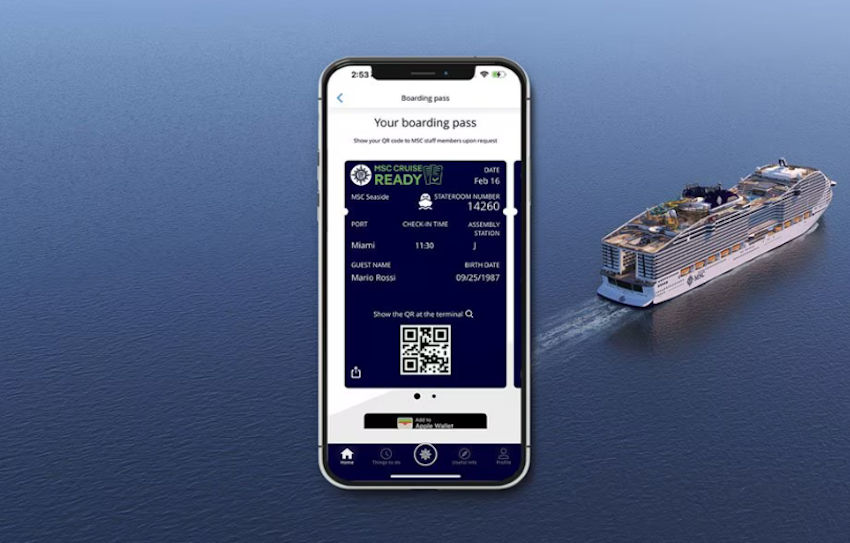
At MSC, the MyMSC App plays a particularly useful role – as a supporting tool for guests. It allows groups to be organized so that not everyone has to disembark at the same time. It also enables the planning of excursion start times, allowing large groups of people to be admitted in a controlled manner using time slots. Reservations can also be made via the app for the restaurants, which serve three covers every evening. In addition, within the foodservice sector, we offer a flexible range of food and beverage outlets that are open 24 hours a day.
Sustainable ambitions
What cruises and car races also have in common is that they are under scrutiny when it comes to sustainability. Both organizations are well aware of this. Zandvoort aims to host the most sustainable GP event in the world, which is reflected in, among other things, the aforementioned plan to promote car-free arrivals. Furthermore, sustainability standards are being fully taken into account on the grounds.
See also: https://dutchgp.com/duurzaamheid/
MSC also has ambitious goals for improving sustainability on its ships. A timeline has been developed to achieve "Net Zero Emissions for Maritime Fleet Operations" by 2050. MSC is well on track with this roadmap, as the target of a 40% reduction in CO2 emissions by 2040 is already within reach by 2025. Key elements of the approach include:
- Switching from diesel to LNG as fuel. The new ships are already being prepared for the next generation of bio and synthetic LNG, which is recognized as emission-free fuel.
- Adjustments to ship design and smart technology also result in fuel savings.
- Switching to shore power once a ship is moored at the cruise terminal. All ships that have left the shipyard since 2017 are equipped with a shore power connection, and some older ships are being adapted for it. By the end of 2025, 19 of the 25 ships will be shore power-capable.
- Necessary measures are also being taken regarding passenger care, such as eliminating plastic and having an on-board water purification system.
See also: https://www.msccruises.com/int/sustainability
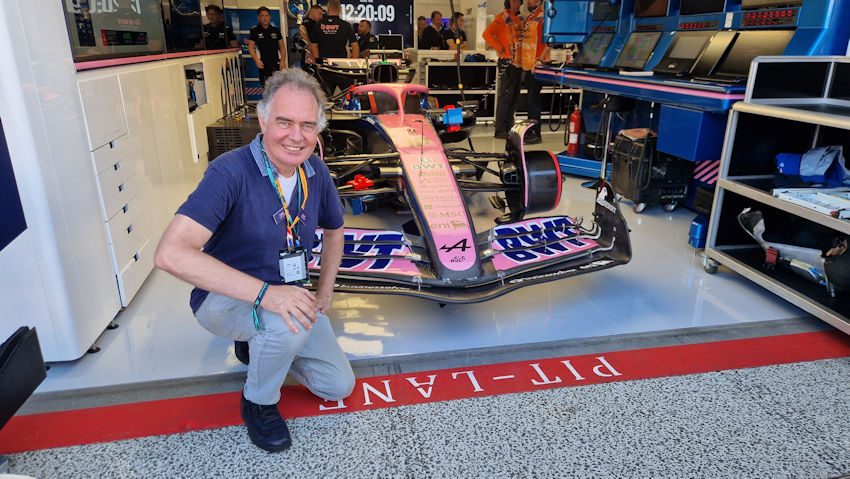
MSC as sponsor of the Dutch Grand Prix
In sponsoring the Dutch Grand Prix in Zandvoort, both parties are working on the same project. Alberto Revelli, Head of Sports Sponsorships at MSC Cruises, points out some similarities: “Cruising and Formula 1® may seem far apart, but we share the same DNA: innovation, precision, and unforgettable experiences. Both are based on teamwork and a constant pursuit of perfection—whether at sea or on the racetrack. That's why our partnership with motorsport feels so natural.”
Thanks to:
MSC Cruises for insights into the behind-the-scenes operations of a cruise ship.
More information: www.msccruises.com