The time when Google Maps was merely a collection of digital pins on a map is definitely behind us. With the integration of Gemini, Google’s advanced AI, the platform is transforming from a static navigation tool into a proactive, voice-controlled travel advisor. For leisure organizations, destinations, and accommodations, this means a fundamental shift in how they are found—or rather, recommended.
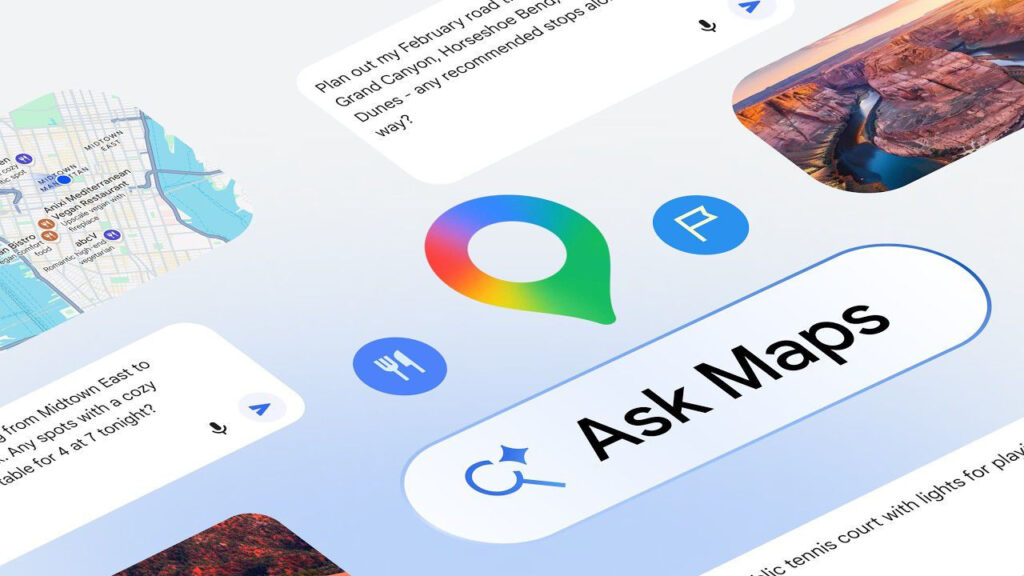
The rise of the 'conversational' search
The most striking change is the way the consumer starts the search. Whereas previously people searched using individual keywords such as “restaurant Utrecht” or “museum Veluwe”, behavior is now shifting towards complex, natural questions. The question: “What can I do with children today within an hour’s drive, with a playground and good food?” calls for an in-depth analysis that goes beyond mere categorization.
Gemini acts as an intelligent filter layer here. The AI not only analyzes a location's basic data but digs deep into reviews, photos, and current profile information to find a substantive match. For an accommodation or attraction, this means that 'presence' on the map is no longer sufficient. One must be 'understood' by the algorithm. Anyone whose profile is not in order or who fails to provide specific context (such as 'indoor options' or 'suitable for digital nomads') simply falls outside the dialogue.
Reliability and experience as new currency
In a world where AI dominates information provision, data quality becomes the decisive factor. With Gemini, Google Maps is betting heavily on three pillars: relevance, reliability, and experience.
AI is becoming increasingly capable of filtering out fake news and irrelevant information, which increases the value of authentic data. For destinations, this means that managing the 'Google Business Profile' is becoming a core task. It is no longer an administrative burden, but a strategic marketing tool. Rich content – in the form of videos and high-quality photos – is prioritized by Gemini to give the user a preview of the experience. A blurry photo of a hotel room is no longer sufficient; the AI searches for images that confirm the atmosphere and facilities specified in the search query.
The crucial role of the 'Local Guides'
It is striking that in this high-tech shift, the human factor is becoming more important than ever. The 'Local Guides' – the community of active reviewers – are the primary suppliers of the data that Gemini relies on. Their detailed reviews and specific photos help the AI understand the nuances of a location.
For leisure organizations, this presents both an opportunity and a challenge. Encouraging substantive reviews is crucial. A review that simply says “nice outing” adds little value to the AI analysis. A review describing that the paths are stroller-friendly and that there are good gluten-free options helps Gemini match the location to the right target audience. Collaboration with these active users is therefore no longer a luxury, but a necessity for a strong position in the recommendations.
Strategic hospitality: From findable to recommended
The impact of this transition is forcing the leisure sector to re-evaluate digital hospitality. Digital hospitality is now just as crucial as a physical welcome at the reception or entrance.
Organizations must proactively monitor which questions Gemini (via 'Ask Maps') answers. What questions do potential guests ask? Is my accommodation mentioned when someone asks for a 'quiet workspace in a green setting'? By enriching the profile with specific theme keywords, current events, and detailed accessibility information, organizations feed the AI the right fuel for a positive recommendation.
Ready to see how Snowflake works?
The launch of Gemini in Google Maps marks the end of traditional local SEO. It is no longer about optimizing for a search engine, but about engaging in a conversation with an algorithm acting on behalf of the consumer. For destinations and leisure businesses that take up this challenge, it offers enormous opportunities to reach the right guest in a highly targeted manner. For those who lag behind, invisibility looms on the world's most modern leisure map. The message is clear: enrich your data, engage your guests, and ensure you are part of the conversation.
Source and more information: www.destinatie.ai (Chris van Vleuten – AI expert in leisure)