Global visitor numbers for major theme parks are stabilizing, but these neutral growth figures mask the fact that the sector is undergoing radical change. European parks, in particular, are achieving growth by combining attractions with hotels, water parks, events, and other reasons to extend visitors' stays. The new starting point is the complete guest journey, rather than the entrance gate. This is evident from the TEA Global Experience Index 2025, the successor to the well-known TEA/AECOM Theme Index, which was released on October 27.

The figures relate to attractions (amusement parks, water parks, and museums) in the year 2025. Zoos are not included in the overview. This year, the cruise sector is also analyzed for the first time. The report also contains information on developments and investments for 2026.
Efteling ranks 20th in the global overview of attractions in 2025.
Europe performs better than the global average
European growth is largely driven by major, comprehensive attraction destinations. The two Disneyland Paris parks together received over 16,7 million visitors. Both parks recorded growth of 5,7 percent. With 10,8 million visitors, Disneyland Park remained the largest attraction in the EMEA region.
Europa-Park attracted 6,25 million visitors, 0,8 percent more than in 2024. For the entire resort, including water park Rulantica, the seven million visit mark was passed for the first time. Efteling ranks fourth in the EMEA rankings with 5,78 million visits. According to TEA, visitor numbers in Kaatsheuvel increased by 3,2 percent.
The strongest percentage growth came from Puy du Fou España. The Spanish park rose by 21,4 percent to 1,7 million visitors. Alton Towers grew by 13 percent to 2,83 million, while the French Puy du Fou reached the three million visitor mark with a 7,1 percent increase.
Not every European park grew. Legoland Windsor lost 7 percent and Legoland Deutschland 5 percent. Futuroscope recorded a modest decline of 1,1 percent for the individual theme park. That last figure immediately indicates why park attendance alone is becoming increasingly unsuitable for assessing the development of a destination.
From amusement park to short break destination
The most important qualitative trend in the report is the shift from a standalone amusement park to a broader destination ecosystem. The park or museum remains the main draw, but is increasingly surrounded by hotels, water parks, hospitality, retail, events, and complementary experiences.
Futuroscope is the clearest European example of this. The French resort welcomed approximately 2,6 million visitors to the theme park and the new water park Aquascope in 2025. That indoor water park attracted 572.000 visitors in its first full year of operation. According to the report, the destination's revenue rose by approximately 20 percent to €160 million.
Since the start of the investment program, the number of overnight stays at Futuroscope has increased by 50 percent to 1,2 million. A new hotel opening in early 2027 is expected to further increase the share of overnight guests. Aquascope required an investment of €57 million and is part of a five-year investment program of €304 million.
It is an important lesson for European attraction entrepreneurs: an investment does not have to yield exclusively more day visitors. A new accommodation facility, indoor facility, or evening activity can also increase length of stay, spending per guest, and utilization outside the peak season.
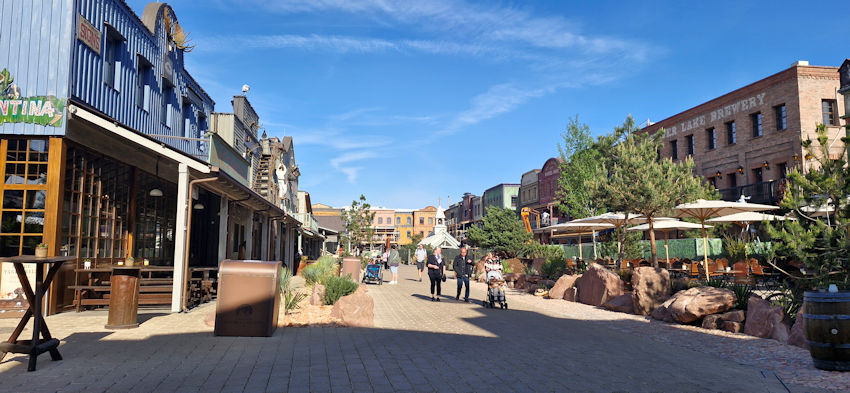
Hotels are becoming an increasingly important part
Other European parks are also investing heavily in accommodation. Puy du Fou is expanding its La Cité Nocturne hotel complex by approximately one hundred rooms. This increases the total capacity of the themed hotels to around seven hundred rooms.
Europa-Park continues to invest in both Rulantica and its accommodation offerings. The former Camp Resort has been transformed into the western area Silver Lake City. According to TEA, Liseberg is also benefiting from improved performance of its accommodations. The Grand Curiosa Hotel, which opened in 2023, has 457 rooms and is helping the Swedish park evolve from a day attraction into a multi-day destination.
The trend is not limited to the largest resorts. The underlying strategy is also applicable to regional parks: create more reasons to arrive earlier, stay longer, or return at another time. This can be done through accommodation, but also with packages, hospitality, wellness, events, or collaborations with accommodations in the surrounding area.
More revenue without exclusively more visitors
The increasing attention paid to spending per visitor is striking. Liseberg grew to 2,5 million visits in 2025, an increase of over 4 percent. However, revenue increased more strongly by 7,5 percent. The report attributes this partly to pricing policy, upselling, and additional revenue from special events.
Water parks are also actively seeking higher-value products. Therme Erding invested approximately €6 million in new family areas, expanded relaxation zones, and premium cabanas. The goal is not only to attract more visitors but also to offer better-paid experiences.
Siam Park in Tenerife uses evening openings with DJs and pyrotechnics to extend opening hours and create additional spending opportunities. Puy du Fou is developing a Christmas event starting in 2026 and is working on a touring show. In doing so, the organization aims to both extend the season and make the brand visible outside its own park.
The sector is thereby shifting from a volume model to a combination of visitor growth, occupancy distribution, and higher revenues per guest.
Indoor water parks offer protection against seasons and weather.
The ten largest water parks in the EMEA region grew collectively by 2,8 percent to 13,4 million visits. Unlike the amusement parks, all water parks in this ranking grew or stabilized.
TEA sees the benefit of year-round operation in these results. Indoor facilities reduce dependence on summer weather and ensure a more stable visitor pattern. This is becoming more relevant now that outdoor attractions are more frequently confronted with extreme heat, rain, and other weather disturbances.
The combination with accommodation strengthens that model. A water park is not only operated as a standalone attraction, but as part of a resort, holiday park, or wellness destination.
IP and own identity side by side
Intellectual Property (IP), such as films, games, and well-known children's brands, remains a key driver of investment. New themed areas and recognizable characters provide visitors with a concrete reason to return. Following the revamped Nemesis Reborn roller coaster, Alton Towers opened an attraction based on Bluey, among others.
The report simultaneously shows that growth is not solely dependent on large international brands. Puy du Fou is performing strongly precisely with a distinctive concept of its own centered on historical spectacular shows. Europa-Park linked a new interactive family attraction to the animated film Grand Prix of Europe , produced by its own parent company.
This presents entrepreneurs with a choice between purchasing a well-known brand and investing in their own story world. An international license can quickly generate recognition, but owning your own intellectual property offers more control and can also be used outside the attraction, for example in films, merchandise, and events.
Museums are moving towards the attractions sector
Museums, too, are increasingly adopting techniques and revenue models from the commercial attractions sector. The twenty most-visited museums worldwide received a combined 161,4 million visits, 5,4 percent more than in 2024. Within EMEA, the top 20 museums grew by 5,5 percent to 96,8 million visits.
The growth was concentrated at institutions that underwent renewal. The National Gallery in London attracted 29,5 percent more visitors following the renovation of the Sainsbury Wing and a new presentation of the collection. The Natural History Museum grew by nearly 13 percent to 7,12 million visits. In addition to renewed gardens and exhibitions, the museum introduced an immersive film experience with David Attenborough.
According to TEA, museums are increasingly using:
- immersive and interactive exhibitions;
- theatrical and participatory storytelling;
- projections and mixed reality;
- artificial intelligence and digital twins;
- merchandise and collaborations surrounding the own collection;
- temporary exhibitions and programming to encourage repeat visits.
In doing so, the boundary between museum and leisure attraction blurs. The collection and content remain the starting point, but visitors also expect an accessible, surprising, and well-designed experience.


Cruises are becoming both competitors and examples
For the first time, the index includes a separate chapter on cruises. In 2025, 37,2 million people worldwide took a sea voyage, 7,5 percent more than a year earlier. On average, they spent 7,1 days on board, accounting for approximately 264 million passenger days.
Modern cruise ships are getting water parks, roller coasters, go-kart tracks, immersive shows, themed restaurants, and complete experience districts. Private islands are also transforming into vast attraction destinations with paid premium amenities.
According to the report, for theme parks, the cruise industry is simultaneously a competitor, a client, and an example. The sector competes for the same family budgets and leisure time, but also provides work for designers, attraction builders, and suppliers. Moreover, the cruise industry demonstrates in a highly focused way how diverse experiences can be bundled to maximize length of stay and spending.