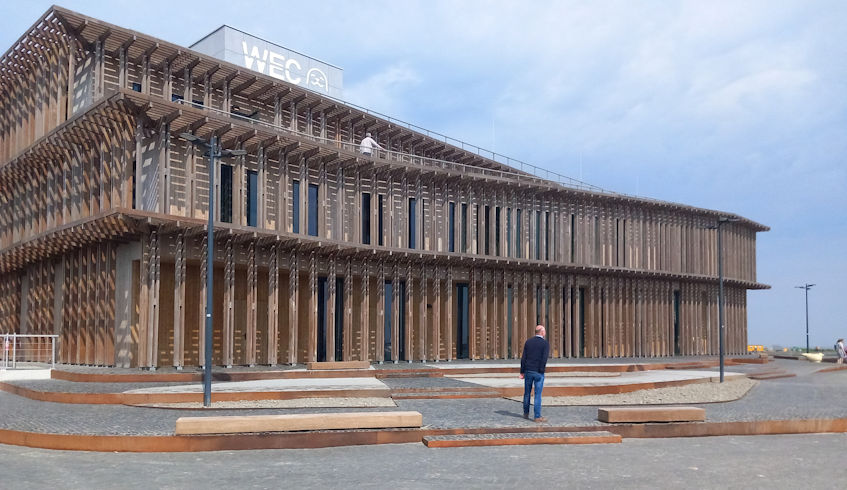
The Board and Supervisory Board of Stichting Zeehondencentrum Pieterburen have suspended the intended bankruptcy filing. A fundraising campaign raised €1,3 million in three weeks. This has reduced the immediate danger, but a structural solution for the Wadden Sea World Heritage Centre (WEC) in Lauwersoog has not yet been found.
In addition, over 100.000 people supported a petition to preserve the center. The 101.651 signatures were presented to Mayor Hans Broekhuizen of the municipality of Het Hogeland during an extraordinary council meeting. Organizations such as the World Wildlife Fund, Visit Wadden, and the University of Groningen have also rallied behind the center.
According to the Seal Center, ongoing talks offer sufficient prospects to postpone the bankruptcy filing for the time being. The first necessary step is an agreement with creditors. The organization expects more clarity on this within a few weeks. According to the center, donations remain necessary.
The move put a heavy strain on financial reserves.
In 2025, after more than half a century, the Seal Centre moved from Pieterburen to the newly built Wadden Sea World Heritage Centre, or WEC for short, in the port of Lauwersoog. The old location suffered from a backlog of maintenance and, according to the organization, offered insufficient space for modern veterinary medicine, research, and education.
See also: New Wadden Sea World Heritage Centre (WEC) issues 'statement' (May 2025)
In Lauwersoog, the foundation has a new seal hospital, laboratories, and facilities for scientific research. The rescue center there is combined with an interactive exhibition about the Wadden Sea and educational programs.
However, the relocation and commissioning of the new location have consumed a large part of the financial reserves. At the same time, revenues fell short of forecasts. The Seal Centre receives no structural operating subsidy and is heavily dependent on entrance fees, donations, and bequests.
According to reports, the total WEC project cost €43,7 million, €17,4 million more than originally estimated. In addition, there were approximately €2,8 million in debts to builders and suppliers and a loan of €9 million from the Dutch Water Authorities Bank.
Crowd puller for Lauwersoog and the Wadden area
The potential demise of the center affects not only the seal rescue center. The WEC is intended as a major tourist attraction for Lauwersoog and as a gateway to the UNESCO World Heritage Wadden Sea.
In the first months after the opening, the center received up to 2.500 visitors on busy days. Around the first year of operation, the 100.000 visitor mark was reached. Visitors came not only from the Northern Netherlands, but also from Germany, Scandinavia, Spain, and countries outside Europe.
The seal rescue center is the main draw, but the tourist product has broadened. Visitors can view the hospital, visit the Wadden Sea Experience, participate in excursions, and look out over the Wadden Sea, the Lauwersmeer, and Schiermonnikoog from the building.
In this way, the WEC can help transform the port from a transit location for ferry passengers into a destination where visitors stay longer. This offers opportunities for hospitality, accommodation, nature excursions, and other recreational businesses in Lauwersoog and the surrounding Wadden Sea area. Regional plans even took into account additional parking needs and visits from the traditional brown fleet due to the center's appeal.
At the same time, the move has a regional downside. Pieterburen lost an attraction that gave the village national fame for more than fifty years. For Lauwersoog, the same name offers the opportunity to develop its own destination centered on nature, science, and the Wadden experience.
Postponement is not yet a structural rescue
The proceeds of €1,3 million demonstrate the extent of social commitment at the Seal Centre. The fundraising campaign primarily buys time. For a sustainable future, agreements must be made with creditors and operations must be brought into structural balance.
In addition, a broader policy question is on the table. The center combines animal shelter, scientific research, nature education, and a tourist attraction, but must finance its daily operations largely from visitor revenue and donations. It is precisely this combination of public and commercial functions that makes the WEC valuable, but also financially vulnerable.
The coming weeks will show whether the support can be translated into an agreement with creditors and a new financing model. For the recreation sector, it is of particular importance whether the WEC can maintain its position as an independent destination and a tourism engine for Lauwersoog.
More information: Decision on bankruptcy application suspended – Pieterburen Seal Center Foundation