From now on, Planckendael Zoo welcomes its visitors with a completely renovated reception area, featuring the tallest bamboo tower in Europe as its focal point. Inspired by the storks that have been inextricably linked to the park as permanent residents for decades, the tower is 28 meters tall and will now serve as the recognizable entrance to the park.
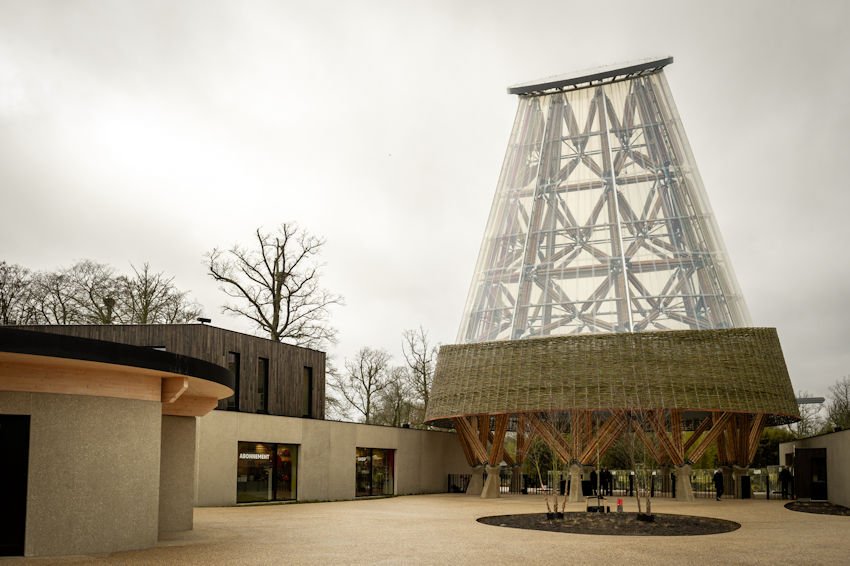
It not only marks the beginning of a visit but is also visible far beyond the park, even from the top of St. Rumbold's Tower in Mechelen. It also marks the start of a celebratory year: Planckendael Zoo is celebrating its 70th anniversary.
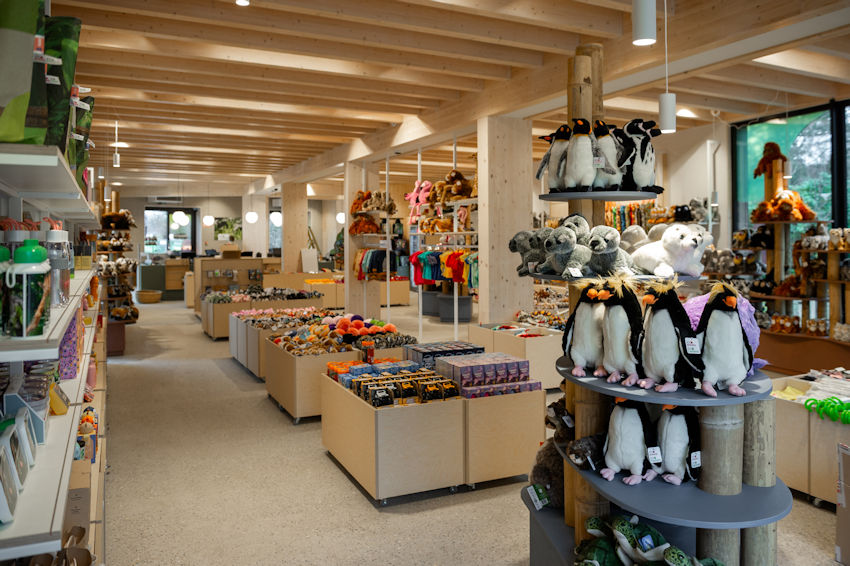
A warm welcome with more comfort and experience
The reception area guides visitors organically into the park and creates a recognizable meeting place. Not simply a passageway, but a place that invites visitors to pause and look ahead to what lies ahead.
A tower as a tribute to the storks
The tower's 28-meter height is no coincidence. For decades, storks have defined the iconic sights and sounds of Planckendael Zoo. With their nests high above the park, they are visible for miles around. Today, the park is home to the largest stork colony in the country, a living symbol of how nature has found its place here. The new tower is also visible from far and wide, even from the top of St. Rumbold's Tower in Mechelen.
"The storks are part of Planckendael Zoo," says Herpoelaert. "They're our regulars and have been drawing visitors' attention upwards for years. We wanted to translate that movement into our entrance. The tower is like a modern-day stork's nest: large and tall, visible and firmly anchored in nature. It's become an architectural gem."
Built on the rhythm of nature
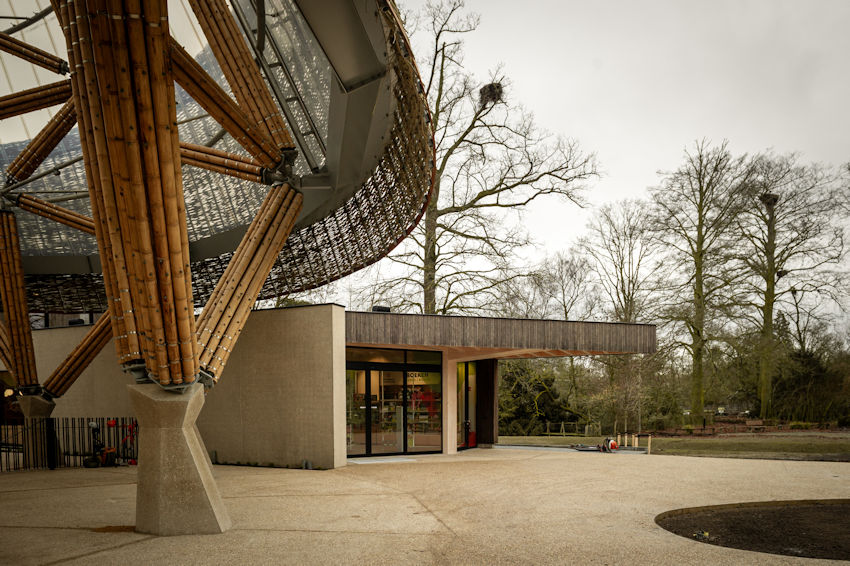
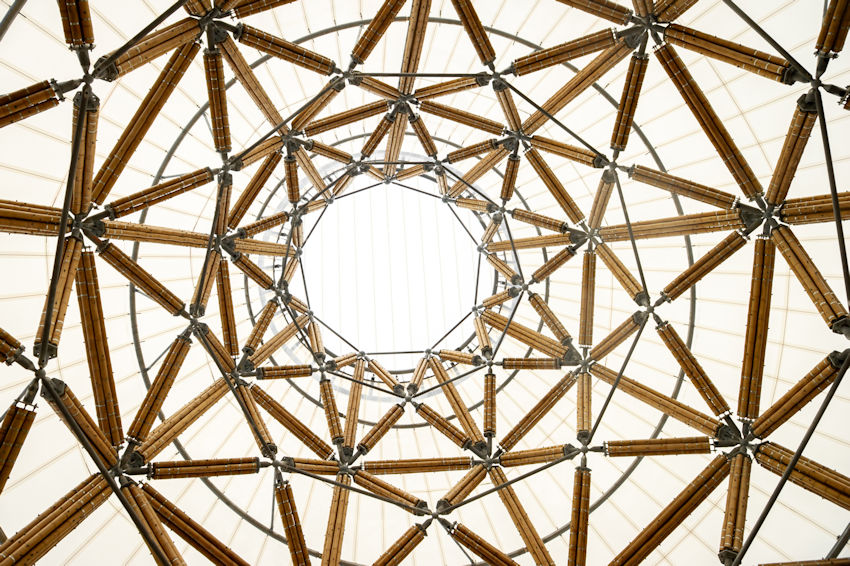
The tower is constructed entirely of bamboo, a sustainable and natural material that perfectly aligns with the values of Planckendael Zoo. "Bamboo is strong, rapidly renewable, and aesthetically pleasing," says Elizabeth Carlon, project manager. "It's a material that shows respect for nature while simultaneously allowing us to create something grand and iconic."
The choice of bamboo fits within a broader vision in which Planckendael Zoo focuses on sustainability and conscious material choices. "This tower is not only an architectural statement," says Herpoelaert, "but also a story about innovation with a focus on nature, both today and tomorrow."
70 years of Planckendael Zoo: from swamp to future-oriented park
The opening of the new entrance marks the start of a celebratory year. In 1956, the Royal Zoological Society of Antwerp (KMDA), which also manages Antwerp Zoo, purchased the site where Planckendael Zoo would be built. What began as a swamp in Muizen has grown into a park where nature, animals, and visitors have come together and enjoyed themselves for seventy years.
"Caring for nature, animals, and ecosystems is in Planckendael Zoo's DNA," says Herpoelaert. "Over the years, the way we work has changed, but the core has remained the same: respect for nature, space for wonder, and a park that evolves with the times. This new entrance is a visible symbol of that."
A festive year full of dreams, stories and surprises
"Planckendael Zoo is celebrating its 70th anniversary thanks to generations of visitors who have been part of the park," says Herpoelaert. Under the banner "Planckendael Zoo Makes Dreams Come True," subscribers have the opportunity to apply for a selection of unique experiences. The park has compiled seven crazy dreams, inspired by the most frequently asked questions and wishes from visitors in recent years. They offer a unique glimpse behind the scenes and allow visitors to experience the park from a different perspective. The seven dreams range from feeding giraffes or elephants to being a keeper or veterinarian for a day to discovering places normally inaccessible to the general public.
During the anniversary year, the general public will also get a unique glimpse behind the scenes. Starting Saturday, February 14th, the new television series "Real Life in the Zoo: Planckendael Zoo" on VTM will follow the daily lives of the animals, highlighting both special and poignant moments.
More information: www.zooplanckendael.be/nl/